
You’re probably thinking about those comforting flavors, the ones that whisper tales of your grandmother’s kitchen and Sunday dinners. Traditional Romanian cuisine is a treasure trove of hearty dishes, rich with history and regional variations. But what if you could take those beloved classics and give them a contemporary twist? What if you could elevate them, make them lighter, more sophisticated, without losing that soul-warming essence? This article is your invitation to embark on a culinary journey, exploring five traditional Romanian recipes that have been reimagined for the modern palate. You’ll discover how subtle changes in ingredients, techniques, and presentation can transform familiar favorites into exciting new experiences. Get ready to tantalize your taste buds and perhaps even inspire your next dinner party.
Ah, sarmalele. The undisputed champion of Romanian festive tables. Traditionally, these delightful parcels of minced meat, rice, and spices, wrapped in pickled cabbage leaves, are a labor of love, simmered for hours until meltingly tender. But while their comforting embrace is undeniable, the classic preparation can sometimes feel a bit heavy. You’re about to see how you can lighten things up, introduce new textures, and even play with different wrapping materials to create sarmale that are both elegant and surprisingly fresh.
Variații de Înveliș: Peste Foi de Varză, Vine Altceva
The pickled cabbage leaf is iconic, no doubt. Its tangy, slightly sour note is integral to the sarmale experience. However, exploring alternative wrappers can unlock a whole new dimension of flavor and texture.
Foile de Viță de Vie: O Eleganta Mediteraneeană
While not entirely unheard of in Romania, especially in certain regions influenced by Balkan cuisine, the use of grape leaves for sarmale is a fantastic modern reinterpretation. The delicate, slightly tart flavor of blanched grape leaves offers a lighter, more refined alternative to cabbage. You’ll find they cook faster and impart a subtle, almost citrusy undertone to the filling. The key here is to use fresh or good-quality jarred grape leaves, blanched briefly to soften them before wrapping. This is a fantastic choice for a summer gathering, offering a more summery feel.
Frunze de Spanac sau Mangold: Verdeață și Luminozitate
For a decidedly lighter and more vibrant approach, consider using blanched spinach or Swiss chard (mangold) leaves. These leafy greens offer a beautiful emerald hue and a more delicate, earthy flavor. They are perfect for those who might find pickled cabbage a bit too strong. The trick is to blanch them just long enough to make them pliable, ensuring they don’t lose their vibrant color. The resulting sarmale are less robust, allowing the flavors of the filling to shine through more distinctly. This is a great option for a lighter lunch or a starter course.
Modernizarea Umpluturii: Mai Puțin Porc, Mai Multă Textură
The traditional sarmale filling often relies heavily on minced pork, which, while delicious, can contribute to a heavier dish. Modernizing the filling involves balancing the richness, introducing leaner proteins, and playing with textures.
Amestecuri de Carne: Curcan, Vită, și Orez Integral
Instead of solely relying on pork, consider a blend. A mix of lean ground turkey or chicken with a smaller proportion of fatty pork or even ground beef can create a more nuanced flavor profile and a lighter texture. For an added nutritional boost and a delightful chewiness, try substituting some or all of the white rice with cooked brown rice or even quinoa. This introduces a nutty flavor and a satisfying bite that complements the savory filling beautifully. Experiment with the ratio of meat to grain to find your perfect balance.
Legume Ascunse și Arome Noi
Don’t be afraid to sneak in some finely grated vegetables into the meat mixture. Zucchini, carrots, or even finely chopped mushrooms can add moisture, extra nutrients, and subtle sweetness without being overpowering. Think about incorporating new flavor boosters beyond the traditional dill and thyme. A pinch of smoked paprika, a dash of soy sauce for umami, or even a hint of fresh ginger can add an unexpected yet welcome depth to your sarmale. You might even consider adding a touch of finely chopped fresh herbs like parsley or chives for an extra burst of freshness.
2. Mămăliguța: De la Garnitură la Vedeta Mesei Principale
Mămăliguța, that comforting cornmeal porridge, is a staple in Romanian cuisine, traditionally served as a side dish to stews, cheeses, and meats. Its simplicity is its charm, but its potential extends far beyond a mere accompaniment. You’re about to discover how you can elevate mămăliguța from a supporting role to the star of the show, transforming it into a versatile and exciting dish in its own right.
Texturi și Prezentări Noi: Dincolo de Bolul Clasic
The traditional way of serving mămăliguța – a hearty spoonful from a steaming pot – is wonderful, but let’s think outside the bowl. Modern techniques allow for a much more refined and visually appealing presentation.
Mămăliguța la Cuptor: Crocantă și Pufoasă
Imagine a baked mămăliguța, where the edges are beautifully golden and slightly crisp, while the interior remains wonderfully creamy and soft. This can be achieved by baking the prepared mămăliguța in an oven-safe dish. You can even add a layer of cheese and bake it until bubbly and golden. Think of it as a savory cornmeal gratin. This method not only changes the texture but also allows for easier portioning and a more elegant presentation on the plate. It’s a fantastic way to serve a larger group, as you can prepare it in advance and simply reheat it before serving.
Galete de Mămăliguță: Forme și Versatilitate
Why limit yourself to a simple scoop? Once your mămăliguța has cooled slightly and thickened, you can press it into molds or shape it into small cakes or galettes. These can then be pan-fried until golden brown and crispy. These galettes can serve as a base for a variety of toppings, turning them into appetizers or even mini main courses. This is a fantastic way to control portion sizes and create visually appealing individual servings.
Complemente Inovatoare: Nu Doar Brânză și Smântână
While the classic pairings of cheese and sour cream are irresistible, let’s explore some modern complements that will take your mămăliguța to new heights.
Toppinguri Gourmet: De La Ciuperci la Fructe de Mare
Elevate your mămăliguța galettes or baked portions with sophisticated toppings. Think sautéed wild mushrooms with garlic and herbs, a delicate seafood ragout, or even a vibrant ratatouille. For a touch of decadence, consider a slow-cooked braised meat sauce. The key is to pair the creamy, slightly sweet cornmeal with ingredients that offer contrasting textures and bold flavors. Don’t shy away from adding a drizzle of truffle oil for an extra touch of luxury.
Sosuri și Reducții: Un Dans de Arome
Instead of a simple dollop of sour cream, consider a carefully crafted sauce or a rich reduction. A balsamic glaze, a vibrant pesto, or a creamy tomato sauce infused with roasted peppers can add a layer of complexity and visual appeal. A light yogurt-based sauce with fresh herbs can offer a refreshing counterpoint to the richness of the mămăliguța. These sauces not only add flavor but also act as a beautiful visual element, tying the entire dish together.
3. Ciorbele: Mai Ușoare, Mai Rafinate, și Plină de Luminozitate
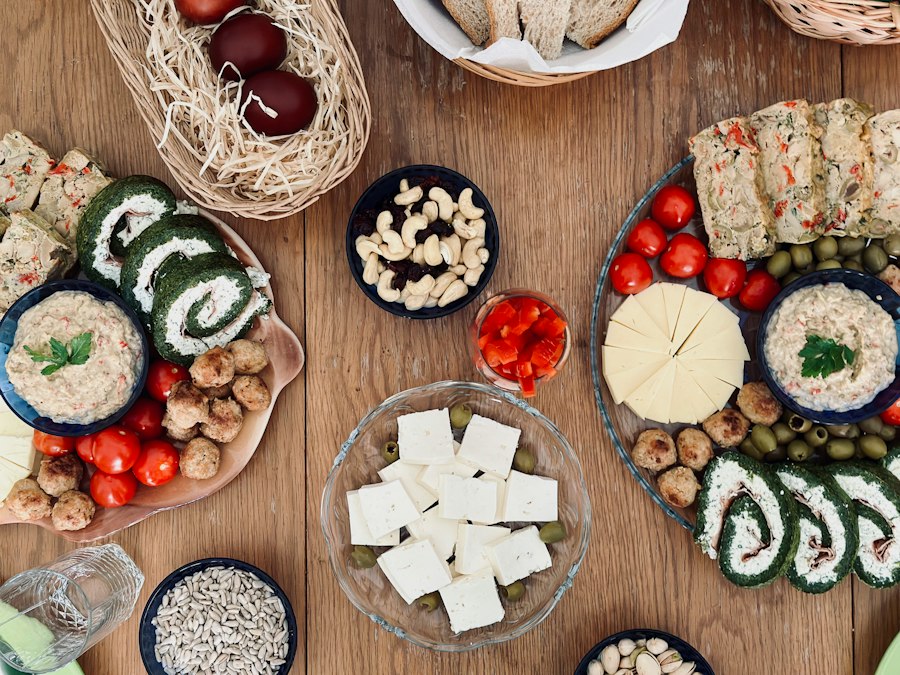
Ciorba, the soul of Romanian soups, is a category that truly benefits from modern interpretation. Traditionally, many ciorbas can be quite rich and hearty, relying on fatty meats and generous amounts of sour cream. You’ll discover how to create ciorbas that are lighter, more vibrant, and packed with fresh flavors, perfect for a modern lifestyle.
Baze de Ciorbă Aerisite: Altfel decât cu Borș Greu
The characteristic sourness of many Romanian ciorbas often comes from borș (fermented wheat bran) or lemon juice. While essential, these can sometimes feel heavy. Modern approaches aim for a lighter, more nuanced sourness.
Infuzii de Citrice și Oțeturi Aromatizate
Instead of relying solely on borș, consider infusing your broth with the zest and juice of fresh citrus fruits like lemon, lime, or even grapefruit. A splash of high-quality apple cider vinegar or white wine vinegar can also provide a clean, bright acidity. For a more complex sourness, experiment with flavored vinegars. Think raspberry vinegar for a subtle sweetness or herb-infused vinegars for an aromatic lift. The goal is to achieve a balanced acidity that enhances, rather than overwhelms, the other flavors.
Broth-uri Vegetale și Arome Delicate
For lighter ciorbas, a well-made vegetable broth can be a revelation. This allows the vegetables and other ingredients to shine without the richness of meat broth. You can also opt for lighter meat broths made from chicken or fish bones, simmered for a shorter period. Adding aromatics like fresh ginger, lemongrass, or even a touch of star anise to your broth can introduce subtle yet captivating flavor notes that are unexpected in traditional ciorbas.
Ingrediente Cheie Reimaginate: De la Carne la Pește și Legume Proaspete
The protein and vegetable components of ciorbas offer ample room for modern innovation, allowing for lighter and more diverse flavor profiles.
Pește și Fructe de Mare: O Alternativă Subtilă
Swap out the heavy meats for delicate fish or succulent seafood. A fish ciorba made with white fish, shrimp, or mussels can be incredibly light and flavorful. The key is to cook the seafood gently to prevent it from becoming tough. Consider adding a touch of white wine to the broth to complement the seafood. This is a fantastic way to create a sophisticated and healthy ciorba.
Legume de Sezon și Ghimbir Proaspăt
Embrace the abundance of fresh, seasonal vegetables. Instead of relying on root vegetables alone, incorporate a variety of leafy greens, colorful peppers, and tender asparagus. Adding finely grated fresh ginger can provide a warming zing that complements many vegetable combinations. Think about a vibrant red pepper ciorba with a hint of ginger and lime, or a green pea ciorba with fresh mint. The freshness of these ingredients will bring a new vitality to your ciorbas.
4. Fripturile și Tocănițele: Redescoperirea Texturilor și Aromelor

Friptura and tocanița, the hearty meat dishes that are a cornerstone of Romanian cuisine, often involve slow braising or roasting. While incredibly satisfying, they can sometimes be quite dense and heavy. You’re about to explore ways to reimagine these classics, focusing on achieving incredible tenderness and depth of flavor while lightening them up and introducing exciting new textures.
Tehnici de Gătire Inovatoare: Mai Multe decât Simplul Fierbere
The traditional slow-cooking methods are excellent, but modern culinary techniques can offer even more control and create more nuanced results.
Sous Vide: Perfecțiunea Tendră
For ultimate tenderness, consider using the sous vide method for your tougher cuts of meat. This technique involves vacuum-sealing the meat and cooking it in a precisely controlled water bath at a low temperature for an extended period. This results in exceptionally tender and evenly cooked meat, which can then be seared or finished under the broiler for a beautiful crust. This is particularly effective for dishes like goulash or stews, ensuring the meat is melt-in-your-mouth tender.
Marinarea și Glazurile: Un Plus de Profunzime
Don’t underestimate the power of a good marinade. Beyond the traditional salt and pepper, experiment with marinades that incorporate acidic elements like yogurt or citrus juice, along with aromatic herbs and spices. This helps to tenderize the meat and infuse it with flavor. For finishing, consider a glaze. A reduction of wine, fruit juice, or even honey can add a beautiful sheen and a concentrated burst of flavor to your roasted or braised meats.
Acompañamente Modernizate: Departe de Cartofi Fiți și Pâine
While potatoes and bread are classic accompaniments, let’s think about fresh and exciting pairings that complement the richness of your modern friptura and tocanița.
Legume Grătar sau Piureuri Alternative
Instead of just mashed potatoes, explore alternative purees. A parsnip puree, a celery root puree, or even a cauliflower puree can offer a lighter and more sophisticated base for your meat dishes. Grilling or roasting vegetables like asparagus, bell peppers, or Brussels sprouts brings out their natural sweetness and adds a lovely char. A vibrant romesco sauce or a chimichurri can also provide a fresh, herbaceous counterpoint.
Cereale Antice și Quinoa: Un Acompaniment Sănătos
Introduce ancient grains or quinoa as a side dish. The nutty flavor and slightly chewy texture of farro, barley, or quinoa can provide a wonderful contrast to tender meats. Cooked with aromatic broth and fresh herbs, these grains can become a star accompaniment in their own right. They are also incredibly versatile and can be dressed up with nuts, dried fruits, or fresh vegetables for added texture and flavor.
5. Deserturi Tradiționale: O Dulceață mai Lejeră și mai Subtilă
| Rețetă | Ingredientele tradiționale | Reinterpretare modernă |
|---|---|---|
| Mămăligă | Făină de porumb, apă, sare | Mămăligă cu brânză și smântână, presărată cu verdețuri proaspete |
| Sarmale | Varză murată, carne de porc și vită, orez, ceapă, usturoi | Sarmale vegane cu orez și ciuperci, servite cu sos de roșii și mămăligă |
| Mititei | Carne de porc și vită, usturoi, cimbru, boia dulce | Burgeri de mititei cu cartofi prăjiți și sos de muștar |
Romanian desserts are often rich, decadent, and wonderfully comforting. Think about the luscious sweetness of cozonac, the creamy indulgence of papanași, or the fruity goodness of plăcinte. While their charm is undeniable, you’ll find that with a few modern tweaks, you can create lighter, more sophisticated versions that still capture the essence of these beloved treats.
Reinterpretarea Ingredientelor Clasice: Mai Puțin Zahăr, Mai Multe Arome Naturale
The key to modernizing traditional desserts lies in reducing the reliance on excessive sugar and enhancing natural flavors.
Arome Naturale și Dulceață din Fructe
Instead of relying solely on refined sugar, explore natural sweeteners like honey, maple syrup, or agave nectar. The beauty of these sweeteners is that they also impart their own unique flavors. Furthermore, emphasize the natural sweetness of fruits. Using ripe fruits like berries, peaches, or apples can significantly reduce the need for added sugar. Consider reducing fruit juices to create intensely flavored syrups to drizzle over your desserts.
Grăsimi mai Ușoare și Metode de Gătire Alternative
While butter and lard are traditional, you can opt for lighter fats like olive oil, coconut oil, or even unsalted butter in moderation. For baking, consider techniques that reduce the need for heavy batters. Think about lighter cakes, fruit tarts with delicate crusts, or even no-bake desserts that rely on chilled preparations.
Prezentări Moderne și Combinări Neașteptate: Surprize pe Farfurie
The visual appeal of a dessert can be as important as its taste. Modern presentations focus on elegance, color, and creating a memorable experience.
Mini-Porții și Elementele Decorative
Instead of a large, rustic cake, consider individual mini-cakes, tartlets, or parfaits. These allow for precise portion control and a more elegant presentation. Playing with decorative elements like fresh fruit garnishes, edible flowers, or a delicate dusting of cocoa powder or powdered sugar can elevate the visual impact of your desserts.
Combinații de Texturi și Gusturi: Dulce și Sărat, Crocant și Cremă
Don’t be afraid to introduce contrasting textures and flavors. A sweet dessert can be beautifully complemented by a hint of saltiness. Consider a salted caramel drizzle, a sprinkle of sea salt flakes, or even a savory element like a subtly herbed crust. The combination of creamy textures with crunchy elements – like toasted nuts, crispy meringue, or a delicate crumble topping – creates a more dynamic and engaging dessert experience. Imagine a deconstructed papanași, with its components artfully arranged on a plate, offering a symphony of textures and flavors.
In conclusion, you’ve seen how traditional Romanian recipes, when approached with a creative and modern mindset, can blossom into something truly special. These reinterpretations are not about erasing the past but about building upon it, honoring the soul of these dishes while making them accessible and exciting for today’s culinary landscape. So, don’t hesitate to experiment in your own kitchen. Embrace these ideas, adapt them to your taste, and rediscover the timeless flavors of Romania with a fresh, contemporary perspective. You’ll be surprised at how delicious and rewarding this culinary adventure can be.